Razor cutting sounds a little scary, right? If your stylist reaches for a razor, it’s natural to wonder what’s about to happen. Let us put your fears to rest: here’s what razor cutting is, what it does, and which hair types it suits best.
What Razor Cutting Does
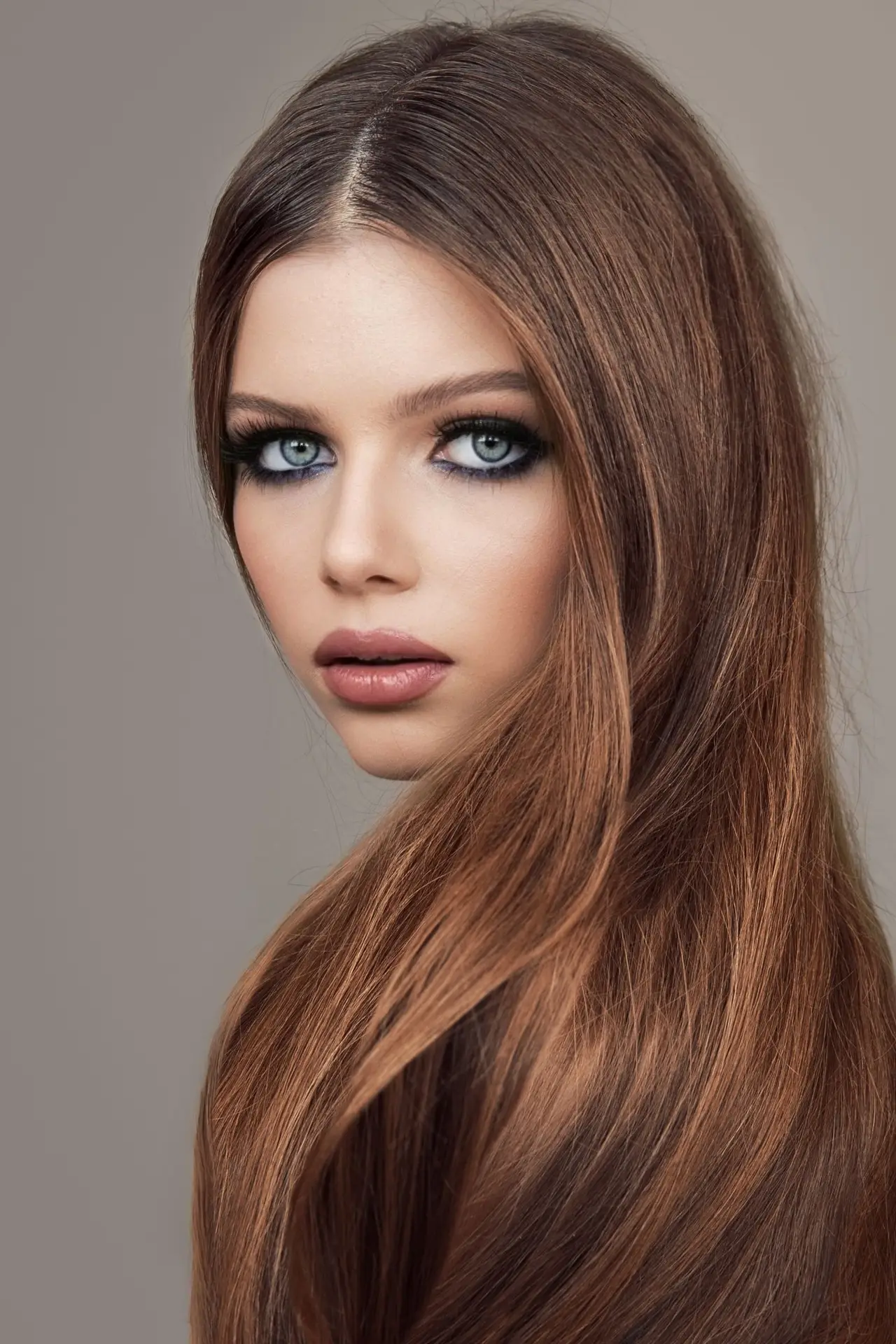
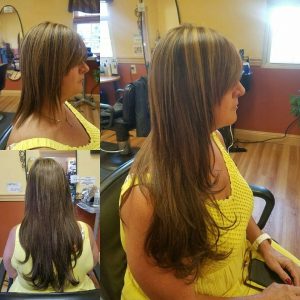
Razor cutting became popular in the late ’90s and early 2000s, when sleek, straight styles were in. A razor adds softness and seamlessly blended layers to long, straight hair, and it gives short styles an edgier, textured finish. Different techniques create different effects: twisting a section and cutting near the root “shatters” the hair for piece-y texture, while the angle of the cut can build volume, create layers or remove weight.
Is My Hair Right for It?
Razor cutting works best on straight to slightly wavy hair with little natural frizz. It’s generally not recommended for curly or coily hair, since it can increase frizz, and it should be used sparingly on heavily lightened or highlighted hair, which is more fragile. It’s done on damp hair with a fresh blade every time.
Experience Matters
Razor cutting is very different from scissor cutting. The hair is held and angled differently, so you want a stylist who’s experienced and comfortable with it. A poorly done razor cut can be hard to fix without losing length. If you or your stylist are unsure, a scissor cut is always a great option. Many stylists also combine the two, using the razor just to soften or texturize a scissor cut.
The Result
A razor cut creates a softer, more organic look tailored to the texture you want. Both women and men can be great candidates, as long as their hair type and condition are right. Talk to your stylist about it; you may be surprised by what a razor can do. Also see the modern shag.
Ready for your next great hair day? Call SoZo Hair, Spa & Wigs at 513-874-9999 or book online. We’re at 9069 Cincinnati Dayton Road in West Chester, Ohio, with free parking right outside.